De
meeste afbeeldingen zijn ook in een groter formaat te zien.
Klik op de afbeelding.
X
= geen grotere afbeelding
beschikbaar.
Most of the pictures are to be seen in a bigger
format.
Click on the picture.
X
= no bigger picture available.
■
item uit mijn collectie
(item from my
collection) |
| |
|
|
 |
 |
 |
|
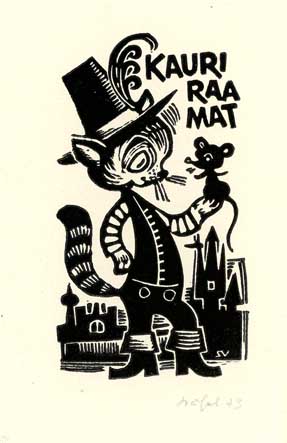
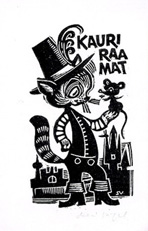
■ Silvi
Valjali for Kauri Raamat, 11x7 (4.5x2.75 inch) |
Estland/Esthonia
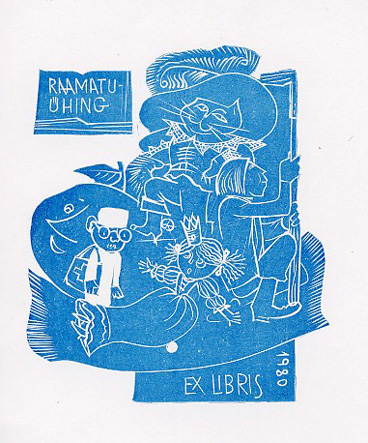
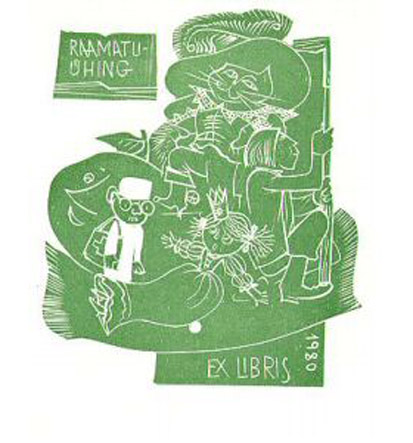
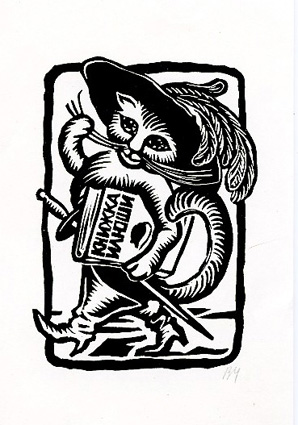
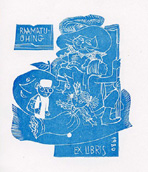
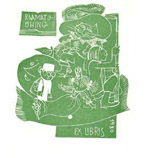
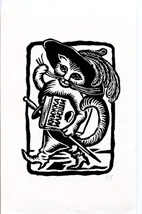
- linoleumsnede (lino-cut) Asta Vender, 9x7,5 cm
(3.5x3 inch) |
 |
 |
 |
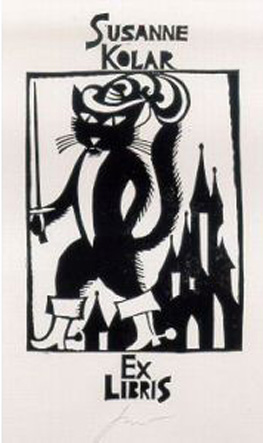
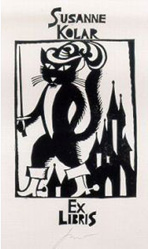
| USSR -
artist Ratner for Austrian collector Suzanne Kolar 11x6,5 cm (4.25x2.5
inch) |
Ukraïne
-
V. Usolkin, 1968, 14x9 cm
(5.5x3.5 inch) |
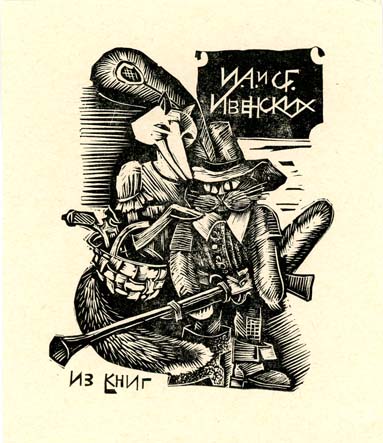
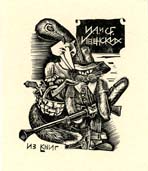
■ USSR -
linoleumsnede (lino-cut), artist S. Bobylev, for Ivensky, 1979, plaatgrootte 7,8x6,0 cm (size
plate 3x2.4 inch) |
 |
 |
 |
|
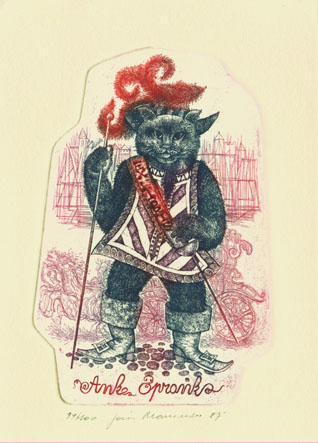
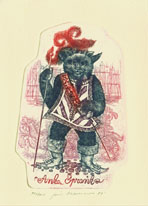
■ België/Belgium - ets (etching) artist Joris Mommen, for Ank Spronk, 1981, plaatgrootte 12,25x8,5 cm (size plate 4.75x3.25
inch) |
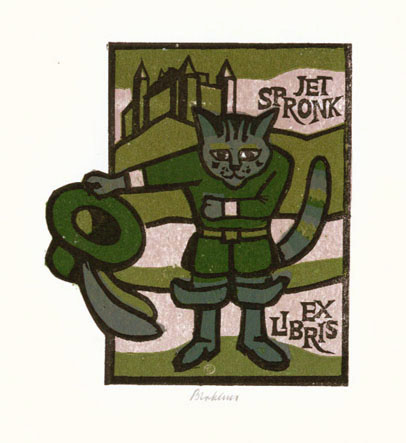
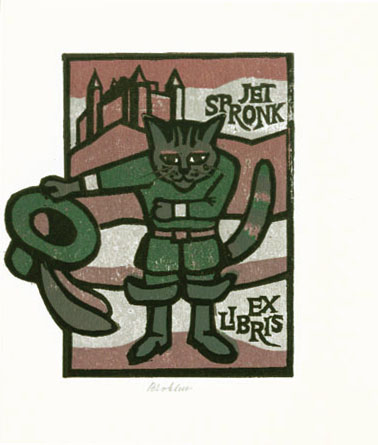
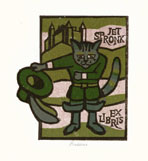
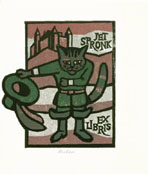
■ Holland - artist Henk Blokhuis, for Jet Spronk,13,5x11 cm (5.25x4.5 inch) |
 |
 |
 |
|
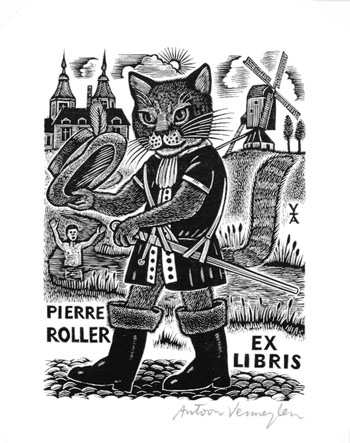
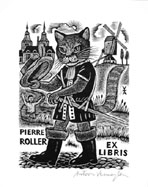
■ België/Belgium - artist Antoon
Vermeylen, for Pierre Roller 13x10 cm (5.25x4 inch) |
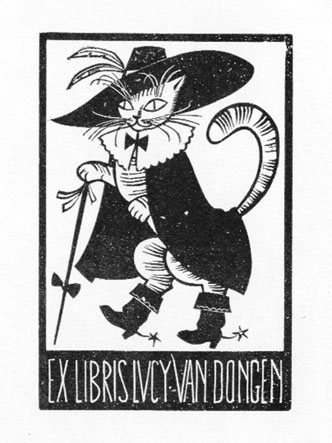
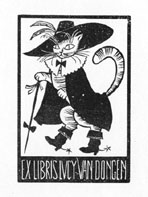
■ België/Belgium - houtgravure (wood
engraving) artist Marcel Mutsaerts, België (Belgium),
Bergum-Antwerpen, (1926 - 1999), for Lucy van Dongen,11x7,5 cm (4.25x3 inch) |
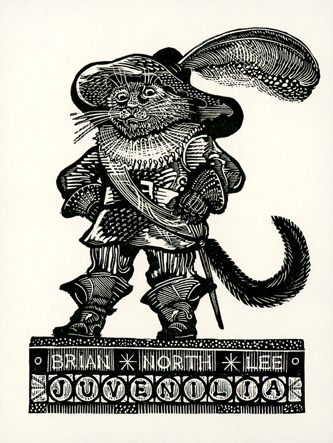
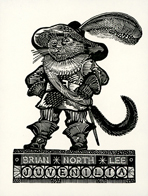
■ Engeland/England - houtgravure (wood
engraving) artist John Lawrence, for Brian North Lee, 9,5x7 cm
(3.75x2.75 inch) |
 |
 |
 |
|
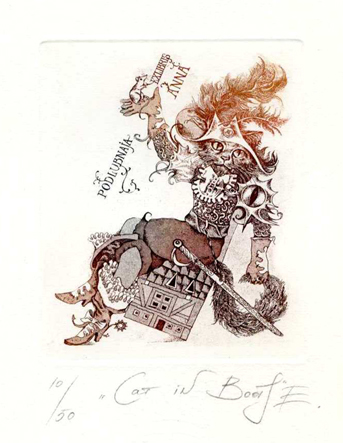
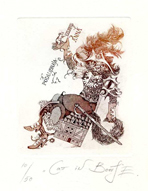
USSR - ets (etching), artist Eugenia
Timoshenko, Belarus, for Anna Podlubnaja, plaatgrootte 10x8 cm (plate
size 4x3 inch) |
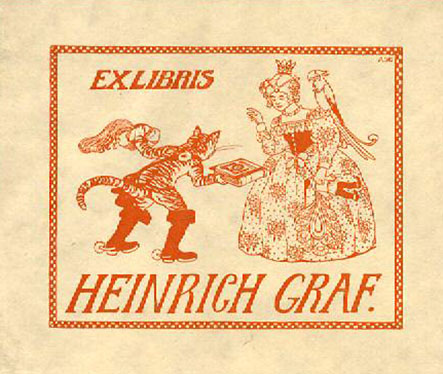
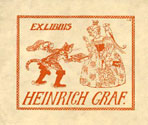
artist M. Ade, plaatgrootte 9,5x11,5
cm (size plate 3.75x4.5 inch) |
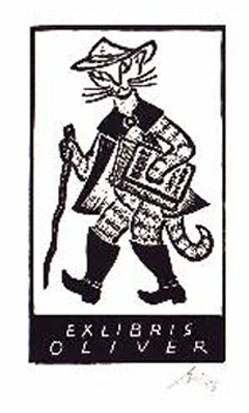
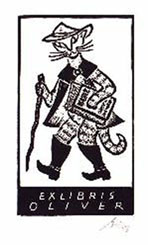
linoleumsnede (linocut) artist Franz
Grickschat, for Oliver |
 |
 |
 |
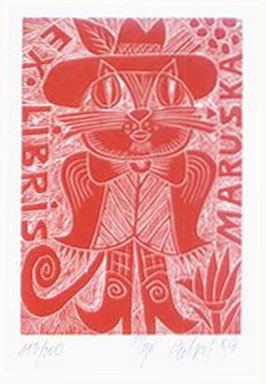
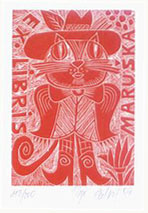
Tsjechoslowakije
/Czechoslovak - houtgravure (wood engraving), artist Olga Cechova (1925
-), for
Maruska, nr. 113/200, 1994, plaatgrootte 10x7 cm (size plate 4x2.75 inch) |
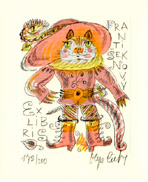
■
Tsjechoslowakije
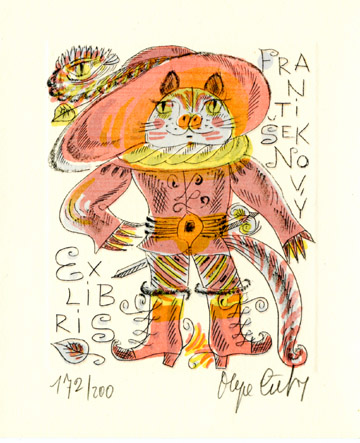
/Czechoslovak - litho (lithograph), artist Olga Cechova (1925 -), for
Frantigek Novy, nr. 172/200, plaatgrootte 10x8,3 cm (size plate 4x3.25 inch) |
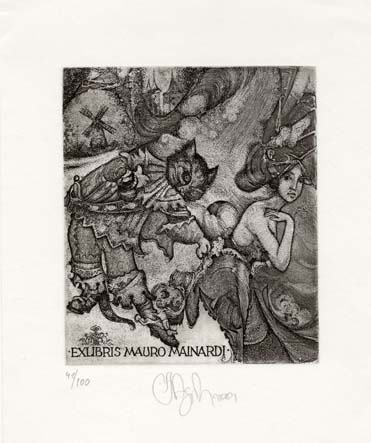
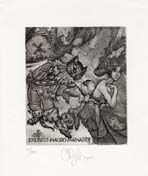
■ Oekraïne - artist Ruslan Agirba, for Mauro
Mainardi, 2001, plaatgrootte 12,6x10,8 cm (size plate 5x4.25 inch) |
 |
 |
 |
|
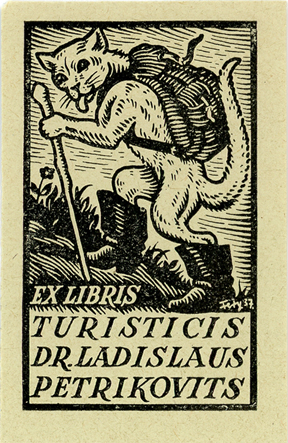
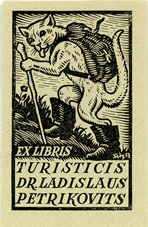
■ houtgravure (wood engraving), artist A. Fery, for
Dr. Ladislaus Petrikovits,
plaatgrootte 7x4 cm (size plate 2.75x1.5 inch) |
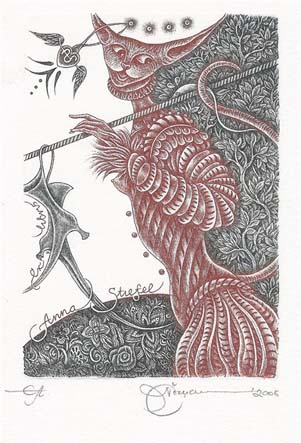
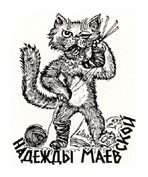
Letland/Latvian - ets (etching), artist
Natalija Chernetsova, for Anna Stiefel, 2006, plaatgrootte 9,8x7,0 cm (size plate 3.8x2.7
inch) |
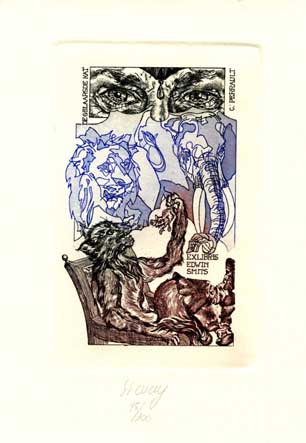
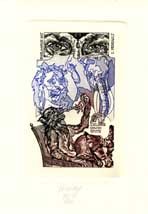
■ België/Belgium
- ets (etching), artist Hilde Stevens, for Edwin Smits, 1996,
plaatgrootte 12,9x8 cm (size plate 5x3.25
inch) |
 |
 |
 |
|
■ Letland/Latvian
- boekdruk (typographic printing), artist Vilnis Resnis, plaatgrootte
6,3x5,2 cm (size plate 2.5x2 inch) |
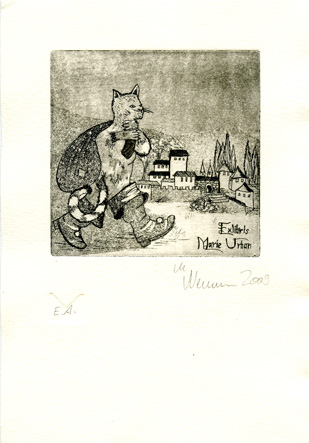
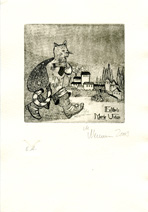
■ Duitsland/Germany
- koper gravure (copper engraving), artist Marlene, for Marie Urban,
2009, plaatgrootte 9,8x9,8 cm (size plate 4x4
inch) |
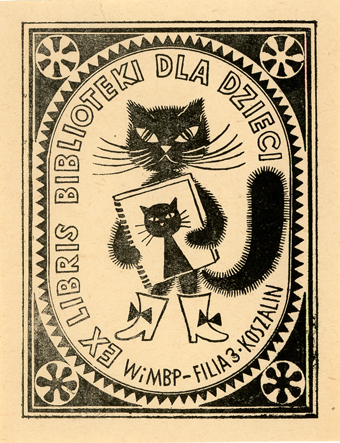
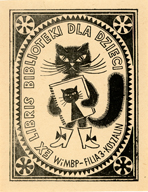
■ Polen/Poland
- loodsnede (leadcut), artist H. Jozwik, for
Library Dla Dzieci,
c |
 |
 |
 |
|
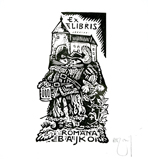
■ Polen/Poland
- linoleumsnede(linocut), artist R. Bandosz, for
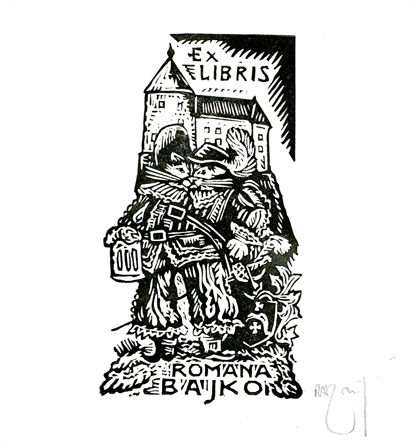
Romana Bajko,10,5x9,5 cm (4.14x3.74 inch), opus 491, 2002 |
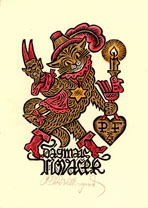
■ Oostenrijk/Austria -
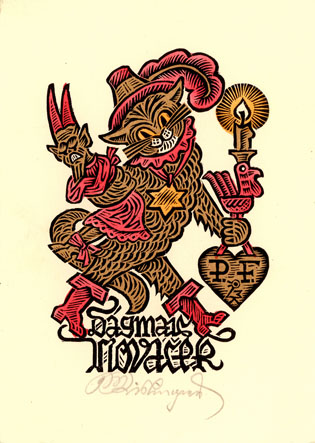
houtsnede (woodcut), artist Max Kislinger, Linz, for Dagmar Movacek, 15x10,5 cm (5.75x4 inch),
1968
(P.F. = Pour Felicitation) |
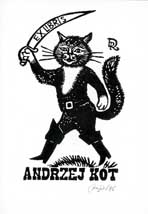
■ USSR
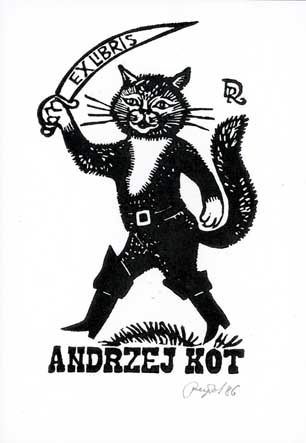
- artist Denis Rheutow for Andrzej Kot, 11x7,5 cm (4.25x3 inch), 1986 |
 |
 |
 |
|
geen informatie (no information) |
■ Holland
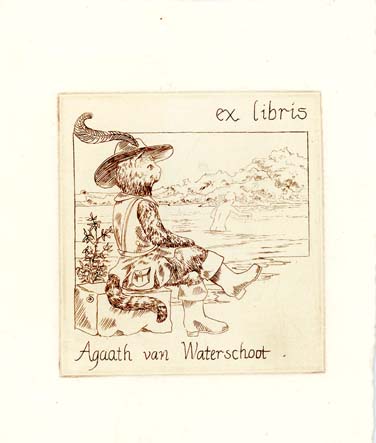
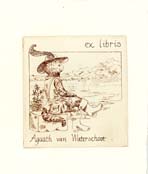
- ets/aquatint (etching/aquatint), artist A. Snelders, for Agaath van
Waterschoot, plaatgrootte 6,5x6,5 cm (size plate 2.5x2.5
inch), 1984 |
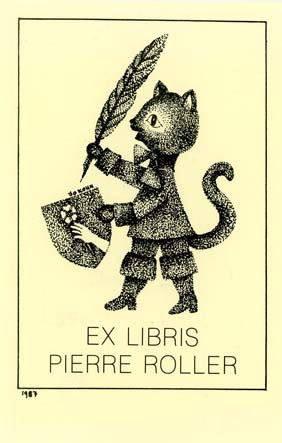
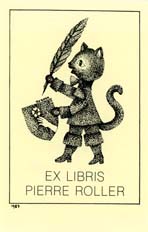
■ offset,
artist Jo Kohn, for Pierre Roller, 12,5x8 cm (5x3.25 inch), 1987 |
 |
 |
 |
|
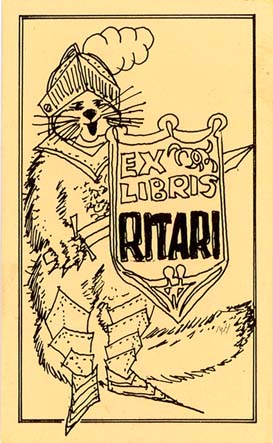
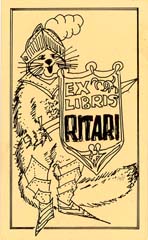
■ Finland
- artist M. Herminen, for Ritari, 6,5x4 cm (2.5x1.5 inch), 1976 |
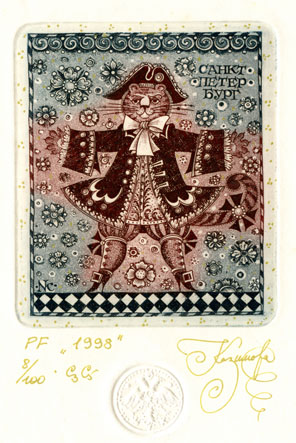
■ USSR
- ets (etching), artist Nina Kazimova, plaatgrootte 11,3x9,5 cm (size plate
4.5x3.75 inch), 1998 |
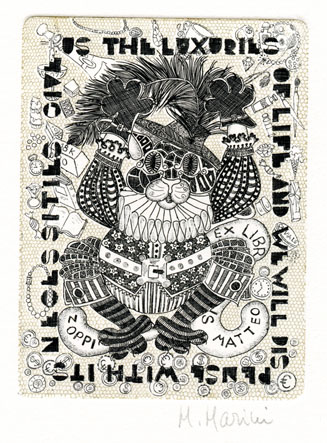
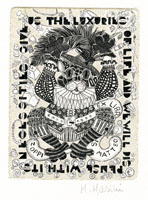
■ Italië/Italy
- aquatint, artist Maurizia Marini, plaatgrootte 12x 9 cm (size plate
4.75x3.5 inch), 2006 |
 |
 |
|
|
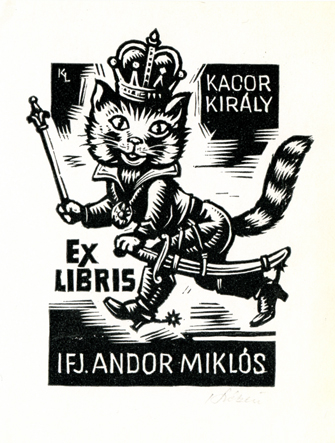
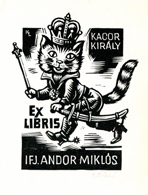
■ Hongarije/Hungary
- houtsnede (woodcut), artist Kacor Király for IFJ. Andor Miklós, ca.
1965 |
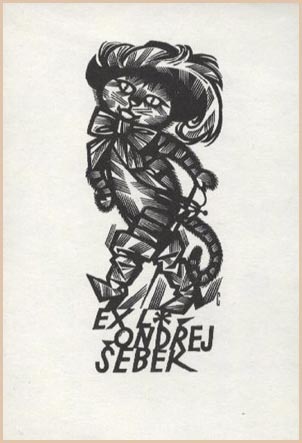
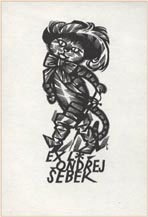
Tsjechoslowakije
/Czechoslovak - houtgravure (wood engraving), artist W. Cinibulk, for Ondrej Sebek, plaatgrootte 9,3x4
cm (size plate 3.75x10 inch) |
|
|
|
|
|
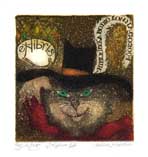 |
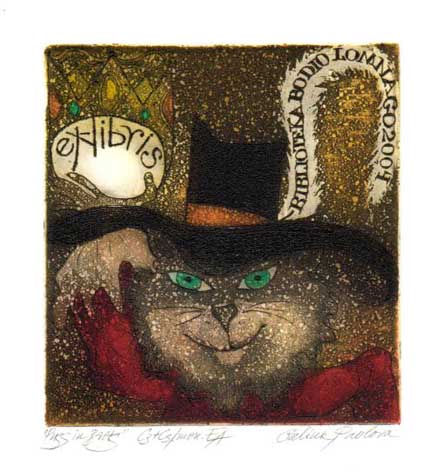
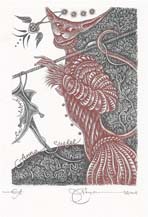
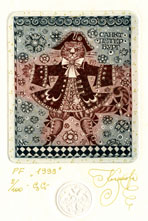
Bulgarije/Bulgaria - artist Galina Pavlova,
serie sprookjes (fairy tales) 2004
techniek: ets, aquatint, monotype (technique: etching, aquatint, monotype)
plaatgrootte 13x12 cm (size plate 8.3x7.7 inch)
(first prize for Exlibris at the National Exhibition for Book Art in
Sofia, Bulgaria, 2006) |
| |
|
|
|
De
Latijnse term “Ex libris” betekent “uit de boeken van”.
Een exlibris was oorspronkelijk bedoeld als boekeigendomsmerk.
Het was gebruikelijk zo’n exlibris in een boek te plakken, meestal aan de
binnenzijde van de band of soms op een van de voorpagina’s.
De bedoeling is duidelijk, het geeft weer aan wie het boek behoort
en aan wie het moet worden geretourneerd.
De exlibris bestaat sinds de ontdekking van de boekdrukkunst.
Albrecht Dürer, Lucas Canach, Hans Holbein d.J. behoren tot de vroegste
ontwerpers.
Vanaf het midden van de 19e eeuw vertelde de exlibris wat
meer over de eigenaar: beroep, interessegebieden etc.
Tegelijkertijd werd het ook een verzamelobject. Dit heeft inmiddels zo’n
vlucht genomen, dat er een nieuw fenomeen is ontstaan: het laten
ontwerpen van een exlibris, niet om in een boek te plakken, maar om
ermee te kunnen ruilen.
The Latin term “Ex libris” means “out of the books
of”.
An exlibris was in origin meant as a mark of property of the book owner.
It was usual to paste such an exlibris in a book, mostly on the inner side
of the binding or sometimes on one of the front pages.
The purpose is clear, it indicates who owns the book and to whom it must
be returned.
The exlibris exists since the discovery of the art of printing.
Albrecht Dürer, Lucas Canach, Hans Holbein d.J.
belong to the earliest designers.
From the middle of the 19th century the exlibris told more
about the owner: profession, fields of interest and so on.
At the same time it became also a collecting item. In the meantime it
does have token such a high flight, that a new phenomenon has been
developed: to let make a new design, not for pasting in a book, but for
barter purposes. |
| |
|
|
| |
|
|
|
Als u deze pagina gevonden hebt op internet
via een zoekterm dan is dit de link naar mijn website.
If you found this page via
your search on internet than is this the link to my website. |
go to my website
|
| |
|
|